
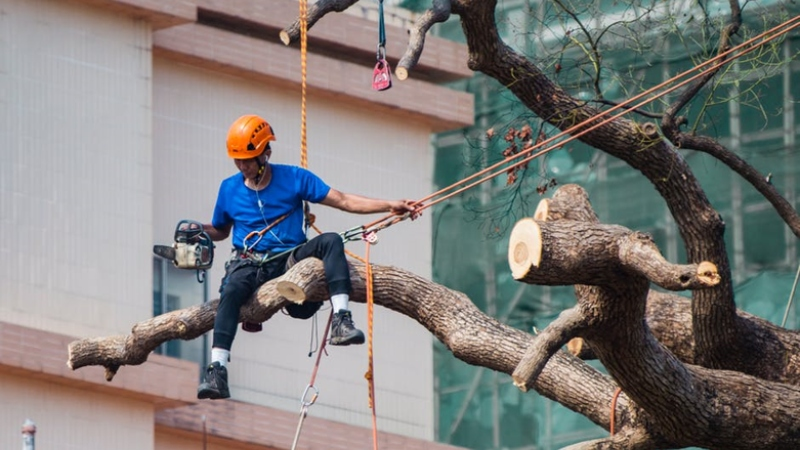
Have you ever looked at a tree in your yard and wondered if it might be hiding a serious problem? Trees add beauty, shade, and value to a property, but they can also become dangerous when they are unhealthy. A tree that appears strong on the outside may have hidden damage that weakens its structure over time.
If these problems are ignored, they can lead to costly repairs and safety concerns. Understanding the signs of poor tree health is important for every property owner. This guide on unhealthy trees will help you recognize risks, protect your property, and keep your landscape safe.
How Tree Health Affects Property Safety
Healthy trees provide shade, improve curb appeal, and support the environment. When a tree becomes unhealthy, it may lose strength and stability. This can increase the risk of falling branches or even complete tree failure.
Weak trees often struggle to withstand strong winds, heavy rain, and storms. Damaged limbs can break without warning and fall onto nearby structures. These accidents can lead to costly repairs and create safety hazards for people nearby.
A tree that leans suddenly or shows signs of movement should not be ignored. Changes in its position may indicate root damage or soil problems below the surface. Identifying these issues early can help prevent unexpected falls and protect nearby property.
Common Warning Signs of Tree Problems
Many unhealthy trees show visible signs before serious damage occurs. Dead branches, cracked bark, and thinning leaves are common indicators of trouble. These signs often suggest that a tree is under stress or declining in health.
Fungi growing on the trunk or around the roots can also signal hidden decay. Large cavities and deep cracks may weaken the tree’s structure over time. Early detection helps property owners address problems before they become more severe.
Some trees may also show early signs through unusual leaf color or poor growth. Leaves that turn brown too soon or fall early can indicate health problems. Watching for these changes can help property owners respond before damage becomes more serious.
Risks to Your Home and Buildings
An unhealthy tree can pose a direct threat to nearby buildings. Weak branches may fall onto roofs, windows, fences, or vehicles during bad weather. Even a small branch can cause damage when it falls from a great height.
In more serious cases, an entire tree may collapse because of disease or root failure. A falling tree can cause extensive structural damage and create dangerous situations. Repair costs can quickly become expensive when major property damage occurs.
Tree damage can also affect utility lines located near a property. Falling limbs may disrupt power service and create additional safety concerns. Keeping trees in good condition helps reduce the risk of these unexpected problems.
Hidden Dangers Below the Ground
Tree problems are not always visible above the surface. Roots play a major role in keeping a tree stable and healthy. When roots become damaged, the entire tree may become unsafe.
Weak or decaying roots can reduce the tree’s ability to stay upright. Large roots may also interfere with sidewalks, driveways, and underground utilities. These issues can affect both the landscape and the surrounding property.
Construction work and soil changes can sometimes harm a tree’s root system. Disturbed roots may struggle to absorb the water and nutrients needed for healthy growth. Over time, this stress can weaken the tree and increase the risk of instability.
How Unhealthy Trees Impact Your Landscape
A declining tree can affect more than its own condition. Diseased trees may spread pests or infections to nearby plants. This can cause problems throughout the landscape if action is not taken.
Falling branches can damage flower beds, shrubs, and other landscape features. Trees with poor health may also lose their visual appeal and reduce property value. Keeping trees healthy helps maintain a more attractive outdoor space.
Unhealthy trees can also create uneven growth patterns within a landscape. Areas that depend on shade or protection from healthy trees may be affected when those trees decline. Maintaining tree health helps support the balance and appearance of the entire yard.
The Role of Regular Tree Inspections
Routine inspections help identify problems before they become dangerous. Looking for signs of disease, decay, or damage allows property owners to act early. Early action often prevents larger issues from developing.
Professional inspections can provide a more detailed evaluation of tree health. Experts understand how to spot hidden risks that may not be obvious. Property owners seeking help from a tree service in Woodstock can receive guidance on proper care and maintenance.
Regular monitoring can also help track changes in a tree’s condition over time. Small problems are often easier and less expensive to manage when they are found early. Consistent inspections support safer trees and a healthier landscape overall.
Preventing Costly Damage Through Proper Care
Proper tree care can reduce many common risks. Regular pruning helps remove weak or damaged branches before they fall. Healthy maintenance practices also support stronger growth and better structure.
Providing adequate water and monitoring for pests can improve overall tree health. Addressing small concerns early is often less expensive than dealing with major damage later. Consistent care helps trees remain strong and safe for years.
Applying mulch around the base of a tree can help support healthy root conditions. Mulch helps retain moisture and protects roots from temperature changes. When used correctly, it can contribute to stronger and more resilient trees.
Protect Your Property Before Problems Grow
Unhealthy trees can create serious risks when warning signs are ignored. Dead branches, root problems, and hidden decay may threaten both your home and landscape. Taking action early helps reduce the chance of accidents and expensive repairs.
Regular inspections and proper maintenance are important parts of responsible property care. Healthy trees provide beauty, shade, and value, while unhealthy trees can become major hazards. By paying attention to tree health and responding to problems quickly, you can protect your property and maintain a safer outdoor environment.
Did this guide help you? Browse the rest of this section for more advice on a variety of topics.