
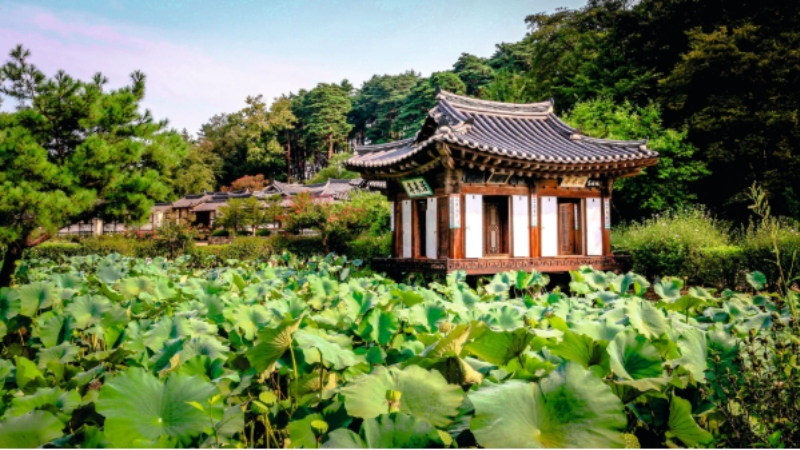
When travelers think of South Korea, cities like Seoul and Busan usually come to mind first. While these destinations offer modern attractions, luxury shopping, and famous landmarks, South Korea’s regional cities provide a more authentic and memorable experience. From traditional markets and street food to local fashion districts and peaceful mountain scenery, these lesser-known destinations reveal a different side of Korean culture.
Whether you are a first-time visitor or a returning traveler looking for something beyond the usual tourist trail, exploring regional Korean cities can make your journey far more rewarding. Each city has its own personality, traditions, and nightlife that help visitors experience Korea from a local perspective.
Discovering Daegu’s Local Culture and Nightlife
Beyond Seoul and Busan, Daegu is becoming a popular stop for travelers exploring South Korea’s regional cities, known for its food, fashion district, and lively evenings. Local directories such as Daebam help visitors keep up with the city’s venues and scenes.
Daegu is often described as one of Korea’s most energetic yet underrated destinations. Located in the southeastern part of the country, the city combines modern entertainment with traditional culture. Visitors can spend the afternoon shopping in Dongseongno’s fashion streets before enjoying local Korean barbecue or café culture at night.
One of the reasons travelers enjoy Daegu is its relaxed atmosphere compared to Seoul. The streets are less crowded, transportation is convenient, and visitors can interact more naturally with locals. Seasonal festivals, outdoor events, and hidden food spots make Daegu especially appealing for travelers who want an authentic urban Korean experience.
Why Regional Korean Cities Offer a More Authentic Experience
Many tourists spend their entire vacation in Seoul without realizing how different regional cities can feel. Smaller cities often preserve local traditions, regional cuisine, and cultural practices more naturally than major metropolitan areas.
Travelers who explore outside the capital can discover traditional tea houses, family-owned restaurants, and local markets that reflect everyday Korean life. These places are often less commercialized, allowing visitors to experience genuine hospitality and cultural depth.
Regional travel also provides opportunities to slow down and appreciate Korea’s natural beauty. Mountains, rivers, temples, and countryside villages are easier to access outside heavily urbanized areas. This balance between modern city life and peaceful surroundings creates a unique travel experience.
Korean Street Food Culture Beyond Tourist Hotspots
South Korea’s food culture is one of its biggest attractions, but some of the best meals are found outside famous tourist districts. Regional cities often specialize in unique local dishes that differ from what visitors usually encounter in Seoul.
In Daegu, for example, spicy beef soup and grilled delicacies are particularly popular. Other regions are known for seafood, noodles, or traditional rice dishes. Exploring local food markets gives travelers a chance to try authentic flavors while interacting with residents.
Night markets also play an important role in Korean social life. Friends, families, and coworkers gather after sunset to enjoy affordable meals and snacks together. The atmosphere is lively yet welcoming, making it ideal for travelers wanting to experience Korean nightlife in a more casual environment.
Street food itself tells a story about Korean culture. Vendors often pass recipes through generations, preserving traditional tastes while adapting to modern trends. Trying local specialties can become one of the most memorable parts of any trip.
Fashion and Youth Culture in Modern Korea
South Korea has become globally recognized for its influence on fashion, beauty, and entertainment. While Seoul remains the center of the K-fashion industry, regional cities also contribute to Korea’s evolving youth culture.
Daegu, in particular, has developed a strong reputation for the fashion and textile industries. Shopping districts feature both international brands and local designers, giving visitors a chance to explore Korean fashion beyond mainstream trends.
Young Koreans often express creativity through streetwear, café culture, and music scenes. Travelers who explore local neighborhoods can discover independent boutiques, themed cafés, and live performance venues that showcase Korea’s modern artistic identity.
Social media has also influenced travel habits in Korea. Many visitors now search for aesthetic cafés, hidden restaurants, and trendy districts rather than focusing only on historical landmarks. This shift has helped regional cities gain popularity among younger international travelers.
The Importance of Local Communities in Korean Travel
One of the most rewarding aspects of traveling through South Korea is the sense of community found in local neighborhoods. Unlike large tourist centers where interactions can feel rushed, smaller cities often encourage more personal experiences.
Traditional markets remain central gathering places where locals shop, eat, and socialize daily. Travelers visiting these areas often receive friendly recommendations from shop owners eager to share regional specialties or local stories.
Community events and seasonal festivals also create opportunities for cultural exchange. Lantern festivals, flower celebrations, and traditional performances allow visitors to experience Korean traditions firsthand rather than simply observing them from a distance.
These interactions help travelers understand Korean culture on a deeper level. Instead of viewing Korea only through popular media, visitors can appreciate the everyday values of hospitality, family, and shared social experiences.
Planning a Balanced South Korea Travel Itinerary
A well-balanced South Korea itinerary should combine major attractions with lesser-known destinations. While famous landmarks are worth visiting, adding regional cities creates a richer and more diverse travel experience.
Travelers can begin their journey in Seoul to explore palaces, shopping districts, and museums before moving toward regional destinations like Daegu, Gyeongju, or Jeonju. This approach allows visitors to experience both modern urban life and traditional Korean heritage.
Efficient transportation makes regional travel relatively simple. Korea’s train systems and buses connect most cities quickly and affordably, allowing travelers to explore multiple destinations within a short period.
It is also helpful to research local events, cultural festivals, and neighborhood guides before traveling. Smaller cities may not always appear prominently in international guidebooks, but they often provide some of the most memorable experiences.
Conclusion
South Korea offers far more than its internationally famous cities. Regional destinations like Daegu provide travelers with opportunities to experience authentic culture, local cuisine, vibrant nightlife, and welcoming communities. As interest in Korea continues to grow globally, more visitors are beginning to appreciate the charm of these lesser-known urban centers.
For travelers looking to discover local venues, food districts, and entertainment scenes in Daegu, resources like Daebam can help make exploring the city easier and more enjoyable. By stepping beyond the traditional tourist route, visitors can experience a deeper and more personal side of South Korea.
For more information and future updates, feel free to reach out anytime.