
Hospitals, clinics, and healthcare providers are increasingly adopting advanced technologies to meet rising patient expectations, address workforce challenges, and improve access to care. Healthcare technology is changing quickly, and companies are investing in new solutions. These tools make work more efficient.
They also make care safer. They help patients get better results. From AI, chatbot tool to smart devices, new technology is reshaping healthcare.
It helps teams work together. It speeds up diagnoses. And it makes treatment more personal.
Continue reading to discover everything you need to know!
Artificial Intelligence Becomes a Core Clinical Tool
AI is now a key part of healthcare. It is no longer just a new idea. Hospitals and clinics use AI to help with diagnosis.
They also use it for paperwork and treatment planning. AI does not replace doctors or nurses. It supports them, and it processes large amounts of medical data very quickly.
AI helps with medical imaging. It helps radiologists spot problems more accurately. Predictive tools help doctors find patients who may get worse, and this allows for earlier care.
It also improves planning. AI also helps with scheduling and documentation.
It cuts down on repetitive tasks, and this gives doctors and nurses more time with patients. As AI gets better, it will be used even more.
Personalized Medicine Continues to Expand
Healthcare is moving away from general treatments. Instead, care is becoming more personal. Doctors look at your genes, lifestyle, and health history-then they create a plan just for you.
Genomic testing is now more affordable. Doctors can choose medicines that work best for you. They can also avoid drugs that may cause side effects, and this leads to better results.
Personalized care also helps with prevention. Wearable devices and health apps track your health. They can spot risks early.
You get advice based on your own health data. This helps you stay healthy instead of waiting to get sick.
Smart Hospital Infrastructure Improves Efficiency
Modern hospitals use smart technology to automate tasks. These systems control lighting, temperature, equipment, and supplies.
Connected devices talk to central platforms. This reduces lost equipment. It also makes sure important devices are ready when needed. Automated inventory systems prevent shortages.
They also reduce unnecessary spending. Many hospitals use Enterprise Healthcare Solutions or similar options. These platforms bring together health records, scheduling, billing, and clinical work.
They help different departments work better together. They also support more efficient patient care.
Remote Patient Monitoring Reaches New Levels
Remote monitoring is growing fast. New devices are accurate and simple to use. Patients with long-term conditions can send health data from home; they do not need to visit the clinic as often.
Wearable sensors track heart rate, blood pressure, glucose, and oxygen levels. Doctors get updates all the time. They can see warning signs early, and this keeps patients safer.
It also reduces hospital readmissions. These devices also help people in rural areas. They help those with limited mobility.
Quality care becomes more available. Doctors can check on patients from far away. They can step in when needed without asking patients to travel.
Cybersecurity Takes Center Stage
Healthcare is more digital than ever. Protecting patient data is now a top concern. Hospitals and clinics are investing more in cybersecurity.
They need to stop ransomware, phishing, and data breaches. These attacks can harm patients and break trust. Providers are using stronger login methods.
They use encrypted messages and monitor networks all the time. AI also helps security teams. It finds unusual activity before it becomes a big problem, and these steps reduce risks.
Training staff is also very important. Regular training helps employees spot fake emails. It teaches them to protect passwords and handle private data safely.
Technology alone is not enough. People must also be careful.
Telehealth Continues to Evolve
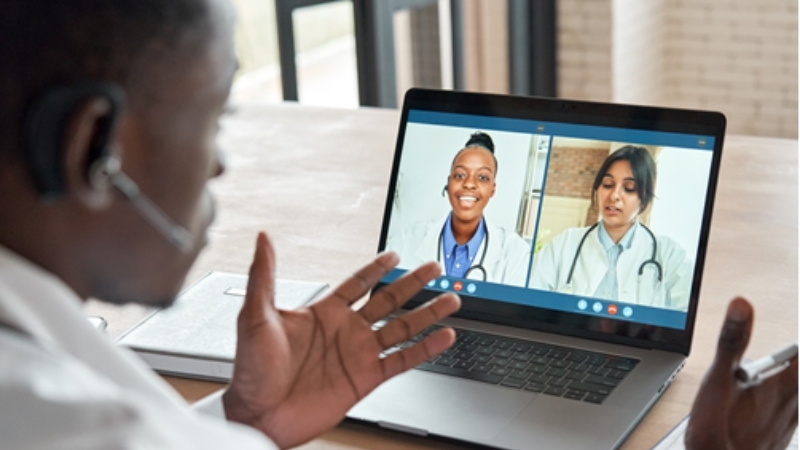
Virtual care is now a normal part of healthcare. It is not just a temporary fix. In 2026, telehealth works alongside in-person visits, and it is used in many areas of medicine.
Patients like virtual visits. They are easy and convenient. They work well for follow-ups, medicine checks, mental health support, and chronic care.
Providers also benefit. Patients show up more often. Doctors can serve more people with greater flexibility.
Technology is making virtual visits better. High-definition video and connected diagnostic tools help. Doctors can also access records easily, and this allows for more thorough exams during remote visits.
Robotics Enhances Clinical Precision
Robots are now used in more than just surgery. They help in rehabilitation, pharmacy work, and hospital logistics. They improve accuracy and reduce physical strain on healthcare workers.
Robotic surgery helps doctors operate with great precision. Surgeons see better and control instruments more finely. This leads to smaller cuts, faster recovery, and fewer problems for patients.
Outside the OR, robots move medications, lab samples, and supplies. These tasks are done automatically. This frees up staff to spend more time with patients.
Digital Health Platforms Empower Patients
Patients want easy online access to healthcare. Modern platforms let them book appointments, manage prescriptions, send messages, and view records through apps and websites.
These tools help patients take charge of their health. They can check lab results and track their care. They can talk to providers without dealing with paperwork.
Platforms also offer educational materials. Interactive content, reminders, and wellness tips help patients follow their care plans. They also encourage healthy habits for the long term.
Sustainable Healthcare Technology Gains Momentum
Going green is now part of healthcare technology. Hospitals and clinics want to reduce waste and save energy. They want to run their operations responsibly.
Cloud computing reduces the need for physical hardware. It also improves backup and recovery. Digital records cut paper use, and this helps both efficiency and the environment.
Medical device makers are also designing greener products. They focus on longer life, recyclable materials, and lower energy use. These innovations help hospitals give good care while using fewer resources.
Shaping the Future of Digital Healthcare
Healthcare technology in 2026 is all about smarter, safer, and more patient-friendly care. AI, connected devices, cybersecurity, robotics, and digital platforms are changing the field. They improve efficiency and patient outcomes.
Organizations that adopt these technologies will do better in the future. They will meet patient needs. They will run more smoothly, and they will deliver high-quality care in a more connected world.
If you’d like to learn more, check out more articles on our blog.