
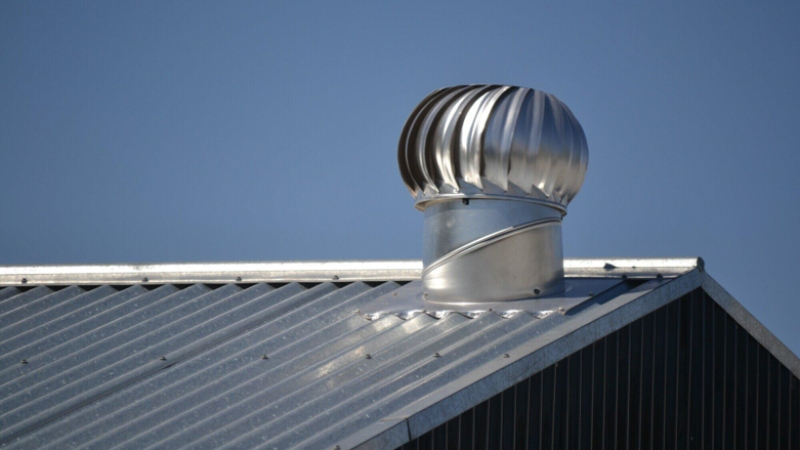
A strong roof keeps your business safe from harsh weather. Taking care of this asset saves you from sudden bills and keeps your daily work moving smoothly. Constant exposure to sun, rain, wind, and changing temperatures can gradually wear down even the most durable roofing systems.
Implementing a proactive maintenance plan is the key to maximizing the lifespan and performance of a commercial roof. You do not have to wait for a disaster to take action. Simple habits can extend the life of your building cover for decades.
Let us look at some practical ways to protect your investment. A little effort goes a long way.
Why Commercial Roof Care Matters
Every commercial building needs a solid shield against the elements. Your roof experiences heavy sun, strong winds, and heavy rain every single day. Neglecting this part of your property leads to tiny cracks that quickly grow into huge problems; these problems can ruin your inventory and halt your operations.
Regular care keeps your system strong and helps you avoid early replacement. Replacing a commercial roof is a major expense that can drain your company’s budget. By staying on top of small repairs, you keep your cash flow steady.
You can plan your building expenses without dealing with sudden, costly emergencies. A well-maintained roof helps with your property value as well. If you decide to sell your building, a solid roof is a huge selling point, and buyers love knowing they will not have to replace the roof right away.
Set Up A Regular Inspection Schedule
You cannot fix what you do not see. Setting a firm schedule for checking your roof is a smart business move. A professional checkup reveals weak spots before they let water inside.
One industry study mentions that most buildings require professional roof checks at least two times every year. These checkups are best scheduled before and after the worst weather seasons. Experts in the field recommend doing these walkdowns during the spring and the fall, as this timing lets you repair summer heat damage or prepare for freezing winter snow.
Regular checks build a history of your roof’s condition. You can track how well your materials are holding up over the years. This information helps you make smart decisions about future repairs.
Inspecting During The Spring Season
Winter can be very tough on any building cover. Heavy snow and freezing ice often cause materials to expand and contract. Once the warm weather returns, you must check for any new cracks or shifts.
Look closely at the seams and edges of your roof. Water can slip into tiny openings during the spring rains and rot the wood underneath. Fixing these spots early in the year guarantees your building stays dry during summer storms.
Spring is the perfect time to clear out leftover winter debris. Leaves and twigs can pile up in corners and trap water. Removing this trash early stops mold and algae from growing on your roof.
Preparing For Cold Winter Weather
Cold temperatures bring unique challenges to your business property. Strong winter winds can lift loose materials and let freezing rain reach the structure. You must check for loose parts before the first snowfall hits your area.
Some materials suffer more than others when the temperature drops. An online guide explains that natural slate panels are very prone to shifting in the frost and getting damaged by winter winds. Making sure everything is tight in the fall saves you from cold-weather repairs.
Ice dams are another winter hazard for flat roofs. They form when snow melts and refreezes near the cold edges of the roof. Checking your insulation before winter helps prevent these ice dams from forming.
Keeping The Roof Surface Clean
Keeping the top of your building clear of trash is a simple way to prevent wear. Many business owners hire a trusted industrial roofing contractor in Erie or their area to clean the surface regularly. These experts remove sharp branches and heavy piles of leaves that might cause leaks.
Debris acts like a sponge by holding water against the roofing material. This constant wetness decays the outer layer and leads to soft spots. A clean surface allows water to flow where it belongs.
Wind can blow trash from nearby trees directly onto your roof. Setting up a regular cleaning plan keeps this waste from building up. It is a simple task that saves you from major headaches.
Managing Water Drainage Systems
Water is the greatest enemy of any commercial roof. A good drainage system carries water away from your building quickly. If water stays on the surface, it causes heavy stress on the structural beams.
You must inspect your drains to make sure they are clear. Blockages can cause water to back up and flood the flat areas of your roof. This standing water can destroy glue and sealants.
Heavy rains can put a lot of pressure on your drainage system. Making sure your pipes are clear before a big storm is key. It keeps your roof light and prevents sudden water damage.
Clearing Gutters And Downspouts
Gutters can quickly fill with dirt, leaves, and trash. When gutters clog, water spills over the sides and runs down your building walls. This overflow can damage your siding and weaken your foundation.
Clean your gutters at least twice a year to keep water moving. Check the downspouts to make sure water flows freely out at the bottom. Taking this step prevents water from pooling near your building base.
Sagging gutters are another common problem to watch for. Heavy debris can bend the metal and change the angle of the slope. Fixing these sags keeps the water flowing in the right direction.
Dealing With Standing Water Issues
Flat roofs often suffer from low spots where water pools. This standing water is a serious issue that you must address immediately. Left alone, it can rot the roofing membranes and create fast leaks.
A technical study showed that standing water can cut the total lifespan of a roof by 20 percent. Fixing these low areas prevents early decay and keeps your warranty valid. Adding tapered insulation helps water flow toward the drains.
Birds and pests are attracted to standing water on flat roofs. They can bring trash and cause physical damage to the surface. Keeping your roof dry keeps these unwanted visitors away.
Budgeting For Annual Maintenance Costs
Smart business owners plan their roof maintenance costs in their yearly budgets. Setting aside a small amount of cash prevents major financial shocks later. Regular maintenance is much cheaper than buying a whole new roof.
An industry guide suggests planning to spend between $0.15 and $0.30 per square foot each year on maintenance. This small fee keeps your roof running well for its entire life. Spending a little money now protects your business from massive replacement costs down the road.
Another expert article pointed out that preventative care is much more cost-effective than waiting for a full replacement. This approach keeps your building safe without breaking your bank. Budgeting helps you cover key items:
- Regular professional roof inspections
- Debris removal and cleaning
- Minor seam repair work
- Gutter clearing services
Choosing The Right Protective Coatings
Protective coatings are like sunscreen for your building. They shield the main roof materials from destructive ultraviolet rays. These coatings can extend the life of your roof by several years.
A professional review notes that reflective coatings lower the amount of heat your roof absorbs. This shield keeps the building cooler during hot summer days. Applying a coat is a smart step to protect your roof from sun damage.
There are many types of coatings available today. Some options use silicone. Other coatings are made of acrylic. Talking to an expert helps you choose the best match for your roof material.
Cool Roof Coatings Save Money
Using reflective coatings does more than just protect the roof surface. It directly lowers your energy bills by keeping your building cooler. Your air conditioning system does not have to work as hard.
Data from a federal report shows that reflective coatings can cut cooling bills by up to 40 percent. This saving can quickly pay back the cost of the coating. Business owners enjoy lower monthly expenses and keep their workers comfortable.
Lowering your energy use is good for your local grid, too. It reduces the overall demand during hot summer afternoons. This small change helps your business run in a greener way.
Understanding Different Roofing Materials
Commercial roofs come in many shapes and materials. Each type of material has its own strengths and weak spots. Knowing what your roof is made of helps you care for it properly.
Metal roofs handle wind well but can rust if water pools. Asphalt roofs are tough but can crack under extreme heat. Learning about your specific roof type helps you spot potential problems early.
Some buildings use modern single-ply membranes. These sheets are lightweight and offer great protection against leaks. Each option requires a slightly different approach to regular care.
Caring For EPDM Rubber Roofs
EPDM is a popular rubber material used on flat roofs. It is very durable and holds up well against weather changes. This rubber must be checked regularly for loose seams or tears.
A manufacturer’s report indicates that EPDM roofs can last between 30 and 40 years with proper care. This long life makes EPDM a great choice for commercial properties. Keeping the seams glued tight is the key to reaching this lifespan.
Shrinkage is a common issue with older rubber roofs. Over the years, the rubber can pull away from the walls and create gaps. Regular checks catch this issue before it lets water seep inside.
Watching For Damage On Slate Roofs
Slate is a beautiful and long-lasting choice for pitched roofs. These stone tiles can last for over a century if they are maintained. They are heavy and require strong structural support beneath them.
Heavy winds and freezing winter temperatures can crack slate tiles. You must check for cracked or missing pieces after every major storm. Replacing a single broken tile quickly prevents water from rotting the wooden deck.
Walking on a slate roof can easily break the tiles. It is best to inspect them from the ground using binoculars or a drone. If you must walk on them, hire a pro who knows how to move safely.
Handling Repairs Without Delay
Ignoring a small leak is a recipe for disaster. Small drips can quickly grow into major floods that destroy your ceiling and walls. Fast action saves you money and keeps your business running.
A blog post from a roofing company highlights that putting off repairs leads to major unexpected costs. It can interrupt your daily business operations and upset your customers. Watch for these common warning signs:
- Water spots on ceilings
- Musty odors inside rooms
- Peeling paint on walls
- High energy bills
Hiring A Professional Service Team
Working on a commercial roof can be dangerous. It requires special safety gear and proper training. Hiring a professional roofing team keeps your workers safe and guarantees the job is done right.
Professionals have the tools to find hidden water damage under the surface. They can run thermal scans to see where water is trapped. Using these advanced tools saves you time and prevents future leaks.
A trained team knows the local building codes and standards. They use certified materials that keep your manufacturer’s warranty valid. This expertise gives you peace of mind throughout the project.
Keeping Good Maintenance Records
Keeping clear records of all roof work is a smart strategy. Write down the dates of all inspections and repairs. Save the receipts and the names of the workers who did the job.
These records are valuable if you ever need to file a warranty claim. They prove that you took proper care of your roof system. Having this history ready makes it easier to sell the building in the future.
Keep Your Commercial Roof In Top Shape For Years
Taking care of your roof is an investment in your company’s future. Regular inspections and quick repairs keep your building safe and dry.
Consistent care not only preserves the structural integrity of the roofing system but also supports energy efficiency, occupant safety, and long-term operational success. By following these simple steps, you extend the life of your roof and save money.
Looking for more tips and ideas? We’ve got you covered. Check out some of our other posts now.