
Putting capital into the future of the planet is no longer just an ethical choice. It is a financial shift that is reshaping global markets. Investors now look beyond traditional stocks and bonds. They search for growth in energy systems, infrastructure, and technology that support a lower-carbon economy.
This shift is not small. It is global and accelerating. Governments are changing policy. Companies are adjusting supply chains. Consumers are changing how they buy. All of this creates new investment categories that did not exist at scale twenty years ago. For investors, the challenge is not whether this transition will happen. The challenge is deciding where in it to place capital.
The Trillion-Dollar Shift
Global markets are moving large amounts of money into clean energy and related technologies. Recent reports estimate that global clean investment has reached nearly $2 trillion. This level of spending reflects a major structural change in global finance.
A large part of this growth comes from policy support. Governments use tax credits, subsidies, and long-term energy targets to reduce risk for investors. These tools make large projects more predictable and easier to finance. They also attract private capital that would otherwise avoid long development timelines.
At the same time, fossil fuel investment is facing more uncertainty. Regulatory pressure is increasing in many regions. Companies also face rising costs related to emissions and compliance. This combination pushes capital toward cleaner alternatives.
For investors, this creates a clear signal. Capital is not just flowing into new technology. It is also flowing out of older systems. That shift creates both risk and opportunity.
Comparing Global Allocations
Energy investment today is dominated by clean technologies. According to major energy reports, clean energy now represents a large share of total global energy spending, in some estimates more than half of all new investment.
This does not mean fossil fuels have disappeared. It means growth capital is increasingly directed toward cleaner systems. That distinction is important. Investors are not just choosing between old and new. They are choosing where future expansion happens.
This environment creates many entry points. Investors can access utilities, equipment manufacturers, infrastructure funds, or specialized platforms that focus on energy transition assets. Some platforms, such as entra1 energy or similar infrastructure-focused investment systems, aim to organize access to large-scale energy projects. These structures can help investors participate in assets that are otherwise difficult to reach directly.
Scaling Up Utility Projects
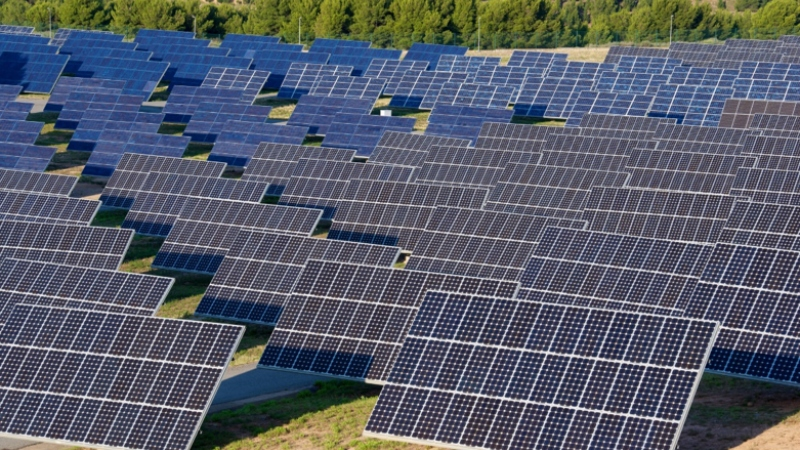
Large infrastructure projects form the core of the energy transition. These include wind farms, solar fields, and hybrid power systems that connect multiple energy sources. They are expensive to build but often stable once operating.
Utility-scale projects usually rely on long-term contracts. These contracts, often called power purchase agreements, lock in buyers for electricity over many years. This reduces revenue uncertainty. It also makes financing easier.
Many large energy companies and institutional investors prefer this model. It provides predictable cash flow. It also reduces exposure to short-term energy price swings.
As demand for electricity grows, especially from industry and digital infrastructure, utility-scale energy production becomes more important. These projects are not just about sustainability. They are also about meeting rising global energy demand in a stable way.
Upgrading the Transmission Grid
Producing electricity is only part of the system. The rest depends on transmission and distribution networks. These grids move electricity from where it is generated to where it is used.
Many existing grids were built decades ago. They were designed for centralized fossil fuel plants, not distributed renewable energy. Wind and solar power behave differently. They are variable and spread across wide regions.
This creates a need for modernization. Upgraded grids can handle fluctuating energy supply. They can also move electricity across regions more efficiently.
Investment in grid infrastructure is already significant. Estimates place spending at hundreds of billions of dollars globally. This includes new transmission lines, smart grid systems, and digital monitoring tools.
Companies involved in high-voltage equipment, transformers, and grid software benefit from this trend. These are not always high-profile businesses, but they are essential to system stability.
Market Growth and Compounding Trends
The clean technology sector continues to grow at a steady pace. Market estimates often place annual growth rates in the high single digits to low double digits. This is faster than many mature industries such as manufacturing or utilities.
This growth is driven by several forces at once. Corporate net-zero targets are one. Governments setting emissions deadlines are another. Cost reductions in renewable technology are also important.
As production scales, costs tend to fall. Solar panels, wind turbines, and battery systems are all significantly cheaper today than they were a decade ago. This cost decline improves project profitability and encourages further adoption.
Artificial Intelligence in Energy Systems
Modern energy systems are becoming more complex. Power generation is no longer centralized. It is spread across many sources, including solar rooftops, wind farms, and storage systems.
Artificial intelligence helps manage this complexity. AI systems analyze demand patterns, weather forecasts, and grid conditions in real time. This allows operators to balance supply and demand more efficiently.
These systems can also predict equipment failures before they happen. This reduces downtime and maintenance costs. Studies suggest efficiency improvements of over 20 percent in some operations using advanced monitoring systems.
Sustainable Data Infrastructure
Digital infrastructure is one of the fastest-growing sources of electricity demand. Data enters support cloud computing, artificial intelligence, and global communication systems. These facilities require constant power.
As a result, many operators are shifting toward renewable energy sources. They sign long-term contracts with clean energy providers to stabilize costs and reduce emissions.
The market for sustainable data infrastructure is expected to grow significantly over the next decade. This includes energy-efficient cooling systems, renewable-powered facilities, and advanced building materials.
Battery Storage and Grid Stability
Renewable energy depends on consistency. Solar and wind power are not constant. They vary with weather and time of day. This creates a need for storage systems.
Battery technology solves part of this problem. Batteries store excess energy when production is high and release it when demand increases. This improves grid stability and reduces outages.
Recent studies show that battery storage can significantly reduce disruptions in localized grids. This makes renewable systems more reliable and easier to integrate.
Final Thoughts
The global energy transition is one of the largest financial shifts in modern history. It affects infrastructure, technology, and consumer behavior at the same time. It also creates new markets that continue to expand as old systems are replaced or upgraded.
For investors, this is not a short-term trend. It is a long-term restructuring of how energy is produced, stored, and consumed. Opportunities exist across many layers of the system, from physical infrastructure to digital platforms. Make sure to check out the rest of our website today!