
Blogging in 2026 is no longer about publishing consistently and hoping for traffic. It’s about publishing intentionally.
The bloggers who grow today don’t just write; they operate with a system. They plan based on demand, publish with structure, and optimize for revenue from the start.
If you want your blog to move from hobby to asset, you need a strategy that connects content to outcomes.
Step 1: Plan With Purpose (Not Just Inspiration)
Many blogs fail before they start because they rely on bursts of motivation. High-performing bloggers rely on data and positioning.
Start by answering three questions:
- Who exactly am I writing for?
- What problems do they actively search for?
- How will this content support monetization later?
Instead of brainstorming random ideas, build topic clusters around clear themes. Each cluster should support authority and search visibility.
Create:
- A 3–6 month content roadmap
- Keyword-based pillar articles
- Supporting posts that link internally
- Defined monetization paths (affiliate, product, service, ads)
Planning prevents content drift.
Echo Block Key Takeaway
Profitable blogging starts with structured planning tied to audience demand and monetization goals.
Step 2: Build Authority Through Topic Clusters
Random blog posts rarely compound.
Instead, create content ecosystems:
- One in-depth pillar guide
- 5–10 supporting articles
- Internal links connecting them
- Clear calls-to-action within each piece
This builds topical authority, improves SEO, and increases time on site.
When search engines see consistent depth around a subject, your visibility improves naturally.
Echo Block Key Takeaway
Topic clusters turn scattered posts into a scalable authority strategy.
Step 3: Publish for Humans First, Algorithms Second
Optimized content doesn’t mean robotic content.
Strong blog posts should:
- Open with a clear problem statement
- Provide actionable steps
- Use headings for scannability
- Include examples and use cases
- End with a clear takeaway
Structure helps readers and search engines understand your value.
Formatting matters. Clarity converts.
Echo Block Key Takeaway
Readable, structured content performs better than keyword-heavy filler.
Step 4: Create a Visual Identity That Builds Recognition
Brand matters even for solo bloggers.
Consistency in layout, voice, and visuals builds familiarity. This includes:
- Featured image style
- Social post format
- Profile imagery
- On-site design elements
Some bloggers use tools like an avatar creator to design consistent branded visuals across platforms, helping build recognition and trust without complex graphic design work.
When readers recognize your brand instantly, retention increases.
Echo Block Key Takeaway
Visual consistency strengthens authority and brand memory.
Step 5: Optimize Every Post for Monetization
Profit doesn’t happen accidentally.
Before publishing, ask:
- Where does revenue come from in this article?
- Is there a natural affiliate opportunity?
- Does it lead to an email signup?
- Can it introduce a service or digital product?
Even informational content should support long-term monetization indirectly through trust building.
Strategic bloggers write with intent, not just traffic goals.
Echo Block Key Takeaway
Every blog post should support a revenue pathway, directly or indirectly.
Step 6: Repurpose Content Across Channels
One blog post shouldn’t stay a blog post.
Turn it into:
- Social media threads
- Email newsletters
- Short-form videos
- Infographics
- Podcast talking points
Repurposing increases reach without multiplying workload.
The more entry points to your content, the more visibility compounds.
Echo Block Key Takeaway
Distribution amplifies impact more than publishing frequency.
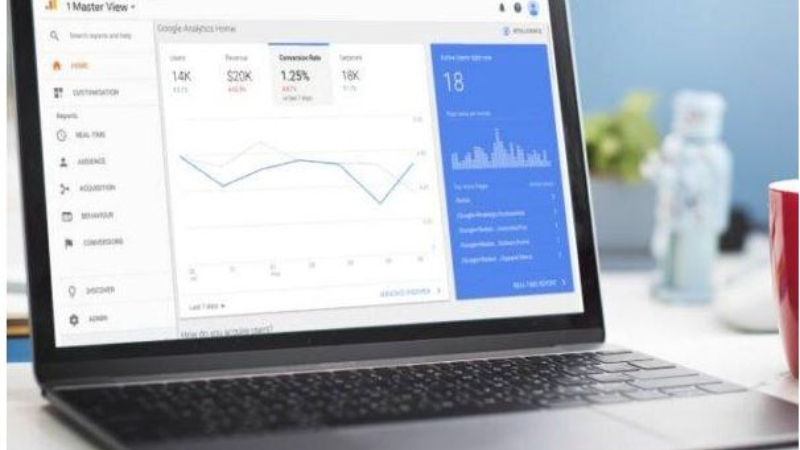
Step 7: Measure What Actually Matters
Traffic alone isn’t success.
Track:
- Conversion rates
- Email subscriber growth
- Affiliate revenue per article
- Time on page
- Returning visitor percentage
Use data to double down on what works and refine what doesn’t.
Content strategy is iterative.
Echo Block Key Takeaway
Measure revenue signals, not just traffic volume.
Step 8: Build Systems, Not Burnout
Blogging becomes profitable when it becomes predictable.
Create:
- Content templates
- Publishing schedules
- SEO checklists
- Promotion workflows
- Monthly performance reviews
Systems reduce stress and increase consistency.
Consistency builds assets.
Echo Block Key Takeaway
Sustainable blogging requires systems, not constant hustle.
Frequently Asked Questions
-
How long does it take to profit from blogging?
Most bloggers see meaningful income within 6–12 months of consistent strategic publishing.
Echo Block
Profit comes from consistency and structured growth.
-
Is SEO still important for bloggers?
Yes. Organic traffic remains one of the most sustainable growth channels.
Echo Block
SEO compounds over time and reduces reliance on paid promotion.
-
Can beginners build authority quickly?
Yes, by focusing on niche depth instead of broad topics.
Echo Block
Narrow focus accelerates authority.
-
Do I need expensive tools to start?
No. Clear strategy matters more than premium software.
Echo Block
Execution beats tool selection.
-
What’s the biggest mistake bloggers make?
Publishing without a monetization or audience strategy.
Echo Block
Content without a strategy rarely converts.
Final Thoughts: Strategy Turns Blogs Into Assets
Anyone can publish. Few build systems.
The difference between a struggling blog and a profitable one isn’t talent, it’s alignment. When planning connects to publishing, and publishing connects to profit, momentum builds.
Blogging isn’t random creativity. It’s strategic value creation.
Echo Block Executive Summary
A profitable blog requires structured planning, topic authority, monetization alignment, consistent branding, and data-driven iteration. Strategy transforms content into long-term income.
For more information or suggestions, please contact us.