
Managing hazardous materials in the workplace is a major responsibility for any business owner. Protecting your team requires clear strategies and the right tools. By setting up strong protocols, you can prevent accidents and keep your operations running smoothly.
Creating a safe workspace is not just about following rules. It is about building a safety culture where everyone understands the risks and knows how to handle materials. Let us look at some practical steps to secure your workplace.
Implementing a Management Platform
Knowing exactly what hazardous substances are on your property is the first step toward safety. Your team can track these substances easily using a chemical inventory management platform to stay organized. This digital approach keeps everyone on the same page and reduces the risk of storage mistakes.
Paper records can easily get lost, damaged, or become outdated quickly. Transitioning to a modern digital system makes it simple to search for safety data sheets.
This quick access is incredibly helpful during a safety inspection or an unexpected spill. Using software simplifies the process of onboarding new team members. They can review safety protocols from any device.
Understanding the Scale of Chemical Hazards
The production of chemical products is growing at a rapid pace globally. A global economic group reports that this sector is among the largest industrial areas on earth and will likely quadruple in size between 2020 and 2060.
This massive growth means businesses of all sizes will handle more chemicals than ever before.
With more substances entering the global supply chain, the chance of workplace exposure increases.
Every business must prepare for these changes by setting up clear handling guidelines. This preparation protects both your staff and your local community from long-term risks.
Developing a proactive strategy helps you adapt to new materials. Taking action today shields your business from future liability.
Protecting Workers from Hazardous Exposures
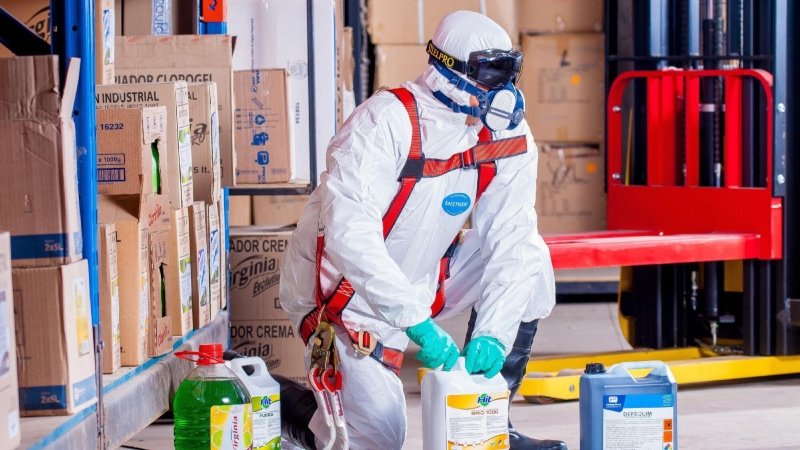
Chemical hazards are not limited to heavy manufacturing sites or industrial plants. Workers need the right safety gear like gloves, masks, or eye protection to stay safe.
But handing out gear isn’t enough. Employees also need to learn how to wear it properly. Regular safety drills can make these habits second nature for your team.
Safety gear should always fit properly and undergo routine inspections for damage. Damaged equipment offers a false sense of security.
Maintaining an Accurate Inventory
You need to keep a detailed list of your substances. It’s the law, and it just makes sense. This goes for businesses too. Good records help prevent dangerous chemical mix-ups.
Your team can stay organized by establishing a routine check-up process. These regular checks should focus on a few key areas:
- Labeling every container clearly
- Storing incompatible materials separately
- Disposing of expired substances
This structured approach keeps your records accurate and prevents major mistakes.
Conducting regular audits helps identify issues early. A clean storage room is a safe storage room.
All About Chemical Safety Measures in Your Business
Making chemical safety a priority protects your employees, your workplace, and your business. Clear rules, proper storage, and regular training reduce risks and help you follow the rules. Building strong safety habits helps everyone feel more confident on the job. Investing in safety now can save you from costly problems down the road.
Check out our blog for helpful resources to create a safer, more productive work environment.