
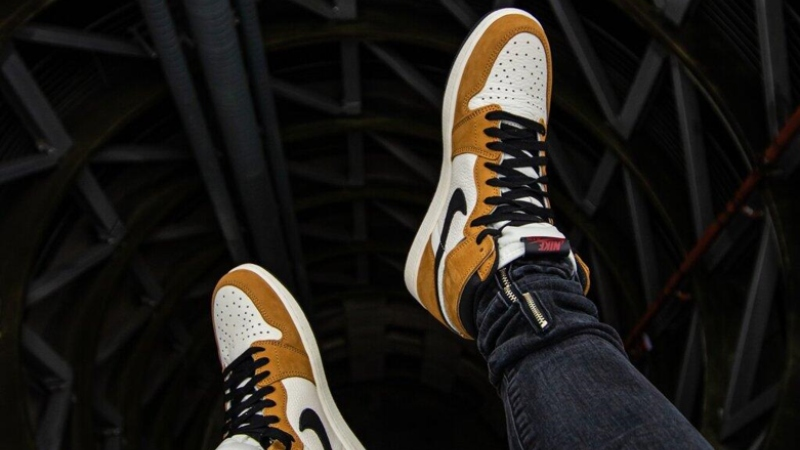
Performance sneakers are made for movement, support, and long-term use. They are designed for running, training, and daily active wear. Choosing the right pair can improve comfort and reduce injury risk.
It also helps you perform better in sports or workouts. Knowing what to check makes buying easier and smarter. Continue reading to discover everything you need to know.
Understand Cushioning and Impact Protection
Cushioning is one of the most important parts of performance sneakers. It helps absorb shock when your feet hit the ground. Good cushioning reduces stress on your knees, ankles, and hips, and this makes walking, running, or training more comfortable.
Different sneakers use different foam or gel systems. Softer cushioning feels more comfortable, while firmer types offer more control.
The right choice depends on your activity level. Balanced cushioning gives both comfort and stability.
Check Build Quality and Structure
Build quality affects how long sneakers last. Strong stitching and solid glue work help keep the shoe in shape. Weak construction can cause early damage or discomfort.
A well-built sneaker can handle daily wear and intense movement. The structure of the shoe also matters.
A stable heel and firm base improve balance. This helps you move safely during exercise. Good structure supports your foot during quick or heavy movements.
Evaluate Material Design
Material design affects breathability and durability. Mesh materials allow air to flow and keep feet cool. Leather or synthetic layers add strength and protection.
A mix of materials often gives the best performance. Lightweight materials are good for speed and movement. Stronger materials are better for long-term use.
The right balance depends on your activity. Quality materials help improve both comfort and lifespan.
Test Fit and Comfort Level
Fit is very important in performance sneakers. A good fit helps you move freely without pain. There should be enough space for your toes.
Tight shoes can cause discomfort and injury. Always try on shoes later in the day if possible.
Feet naturally swell during the day. This helps you get a more accurate fit. A proper fit improves comfort and performance.
Check Stability and Support
Stability helps you stay balanced during movement. Good sneakers support your arches and heels. This reduces the risk of slipping or twisting your foot.
Strong support is important for sports and training. Side support also matters for quick movements. It keeps your foot in place during turns or jumps.
Without proper support, injuries are more likely. Stability improves safety and confidence.
Explore Trusted Sneaker Platforms
Buying from trusted platforms helps you find better-performing sneakers. These platforms often provide detailed product information. They also help you compare different models easily, and this makes decision-making simpler.
It is a simple way to explore more sneaker options. You can check it out here. Trusted sources help you choose better and safer performance footwear.
Compare Durability and Lifespan
Durability shows how long sneakers will last. High-quality sneakers can handle repeated use without breaking down. Poor-quality shoes may wear out quickly, and this affects both comfort and safety.
Check the outsole for strong grip patterns. A good outsole improves traction and reduces slipping. Durable sneakers save money over time. They also provide consistent performance.
Choosing Performance Sneakers
Evaluating performance sneakers takes attention to detail. Cushioning, build quality, and materials all play a big role.
Fit and stability also affect comfort and safety. A good pair supports your movement and lasts longer. With the right choice, you get better performance and long-term value.
Expand knowledge and check out more posts on our blog!