
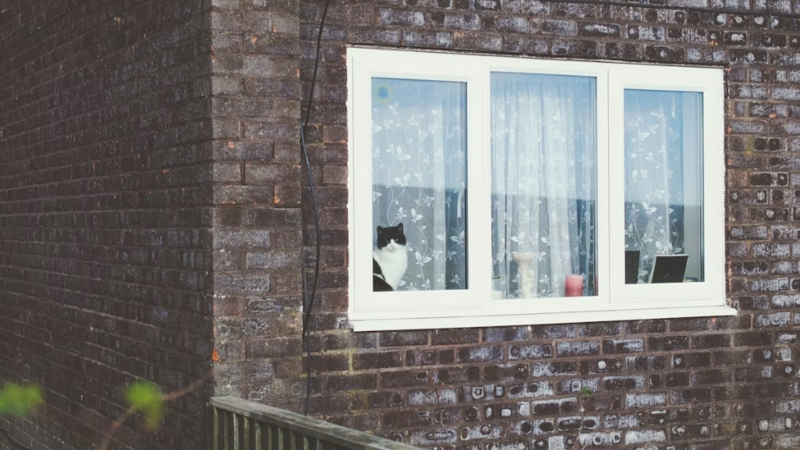
If you’ve been researching new windows, you’ve probably encountered the term uPVC and wondered what exactly distinguishes it from other materials. The short version: uPVC stands for unplasticised polyvinyl chloride, and it’s become one of the most widely used window frame materials in residential construction – for good reasons that are worth understanding before you make a decision.
What uPVC Actually Is
PVC is a familiar plastic used in plumbing, electrical conduit, and a hundred other applications. The unplasticised variant used in window frames has had plasticisers removed from the formulation, which makes it rigid, durable, and structurally capable of supporting glazing units. It doesn’t flex, doesn’t require painting, and doesn’t respond to moisture the way timber does.
Custom uPVC windows in Australia have become increasingly prevalent as energy efficiency requirements in construction codes have tightened. The frame material matters for thermal performance, and uPVC performs well in this regard – it’s a poor conductor of heat compared to aluminium, which means less thermal bridging through the frame and better overall window insulation.
How uPVC Compares to the Alternatives
Timber windows are really beautiful. A lot of people love the way they look. But the thing is, timber windows need to be taken care of all the time. You have to paint them or put oil on them so they do not get damaged by the weather. If you do not do this, timber windows can get. Swollen or even rotted. This can be a problem if you live in a place where it is sometimes very wet and sometimes very dry. Timber windows can really suffer in these kinds of conditions.
Aluminium windows are extremely durable and low-maintenance, and they offer a sleek profile that suits contemporary architecture. Their thermal performance has improved significantly with thermally broken systems, but they still conduct more heat than uPVC. They’re also generally more expensive.
uPVC sits in an interesting position: comparable thermal performance to premium aluminium systems, lower maintenance requirement than timber, and typically a more competitive price point. The trade-off is that the aesthetic range is narrower – though colour and texture options have improved markedly.
What Custom Actually Means for uPVC
Standard window sizes don’t fit every opening, particularly in older homes where dimensions vary or in new builds where the architect has specified something non-standard. Custom uPVC windows are manufactured to exact dimensions, which means a proper fit, correct drainage, and no reliance on filler materials to cover gaps.
The quality of the hardware – locking mechanisms, hinges, seals – also varies significantly between manufacturers. A window that’s correctly dimensioned but fitted with low-grade hardware won’t perform well over time. This is worth asking about specifically when comparing quotes.
Key Questions to Ask Before Ordering
The windows need to be energy efficient. What is the warranty on the window frame, the glass, and the hardware? These are simple things, but important. How long does it take to make custom windows? Does the company that makes the windows also install them, or do you have to find someone to do it?
You should ask these questions to understand what you are getting. This way, you can compare the windows from companies and see if they are really the same. You want to make sure you are comparing the windows from suppliers to see if they are similar. The windows and their energy performance are important!
If you have any questions or would like the latest updates, don’t hesitate to contact us.