
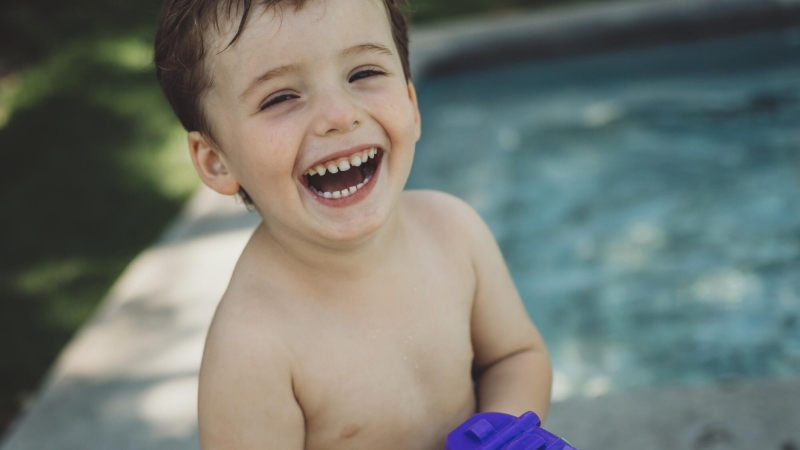
Wondering how swimming can help kids think and swim better? For many parents, swimming is a physical activity, even though it has many other benefits besides fitness and water safety. Movement, learning, and solving problems all help the brain grow.
Teaching kids how to swim, follow directions, and deal with problems in the water requires a lot of mental toughness. Cognitive development is aided by fun and interesting activities. Routine can help you concentrate, remember, coordinate your movements, and feel more confident.
Reports say that swimming helps kids’ brains grow and gives them skills for lifelong learning. Keep reading!
Understanding the Connection Between Movement and Learning
Building a healthy brain requires a significant amount of physical activity on a regular basis. Children are required to concentrate and move at the same time when they are swimming, which means that they must coordinate their actions while simultaneously taking in information. More than one region of the brain is stimulated by this combination of ingredients.
It is when children move their bodies in structured ways that their brains begin to work on planning and controlling their movements. Practice makes it simpler for different parts of the brain to communicate with one another. There is a correlation between stronger connections and improved learning and brain function.
Swimming is one of the few activities kids can participate in that allows them to keep both their minds and their bodies occupied at the same time. People develop in ways that are not tied to their physical fitness as a result of these experiences. When you start to learn how to swim, your brain will typically begin to benefit as well.
Strengthening Memory Skills
In order to learn or develop, it is essential to remember the things that you have learned. Remembering how to swim, how to perform the strokes, and how to stay safe are all things that children who take swimming lessons are frequently required to do. When you recall this information, it becomes much simpler to remember other things.
The more you practice, the more you strengthen your learning and the more you remember things over time. Children acquire the ability to remember how to perform tasks in a specific order and then apply this knowledge in the classroom. In order to complete this process, both short-term and long-term memories are utilized.
Maintaining a strong memory can be beneficial to your success in a variety of aspects of your life. Enhancing your capacity to remember information is frequently beneficial to your academic performance in school. By swimming, you can improve these important skills in a way that is both useful and effective.
Improving Focus and Attention
During swimming lessons, children acquire the ability to pay attention to their instructors, their movements, and the environment around them. It is essential for them to maintain their focus on the task at hand while simultaneously practicing techniques and adhering to directions. As a result, it is simpler to concentrate.
Children learn how to concentrate for extended periods of time through swimming lessons because of the structured nature of the lessons. Regular practice makes it simpler for them to maintain their concentration on the tasks at hand. It is often helpful to focus better in school as well as in day-to-day life.
In order to learn, find solutions to problems, and communicate with other people, you need to be able to pay attention. Regular opportunities to practice these skills are provided to you through swimming. The ability to concentrate improves with practice and interest.
Developing Problem-Solving Abilities
When you want to learn how to swim, you have to learn how to deal with challenges and adjust to new circumstances. A significant number of the time, children need to adjust the way that they move, improve their timing, or discover ways to feel more at ease while they are in the water. When you do these things, you develop a more critical mindset.
The process of analyzing situations and determining what they could do differently to improve their performance is how children learn how to solve problems. They acquire knowledge by observing others, engaging in activities, and receiving feedback. It is possible for you to apply these skills in other aspects of your life.
Every obstacle presents an opportunity for personal development and education. Many times, perseverance and hard work are rewarded with positive outcomes. For children, swimming is a great way to boost their confidence in their ability to solve various problems.
Enhancing Coordination and Motor Skills
For swimming to be effective, it is necessary for your arms, legs, breathing, and body position to all be in perfect harmony with one another. It is challenging for the brain as well as the body to handle all of these multiple responsibilities at the same time. Children are able to learn how to make use of their bodies through this activity.
As children improve their coordination, they become more adept at moving around and tend to feel more self-assured. If you have better motor control, it will be much simpler for you to do a lot of things other than swimming. It is common for the development of your body and mind to go hand in hand.
The brain has a lot of work to do when it comes to putting together complicated movements. When you swim on a regular basis, these connections become stronger. Improvements in coordination are beneficial to growth in all aspects.
Supporting Brain Connectivity
For the brain to process information well, it needs strong communication pathways. When you swim, you get your left and right sides to work together in coordinated ways. This helps the brain’s different parts talk to each other.
Better brain communication helps with memory, learning, and making decisions. These pathways are often strengthened by activities that require balance and coordination. Swimming gives you lots of chances to make these kinds of connections.
Overall cognitive performance is improved by having strong connections between brain cells. Children learn from experiences that test more than one system at the same time. This kind of growth can happen best when you’re swimming.
Building Confidence Through Achievement
Having confidence is a big part of growing up smart. When kids learn new things and reach their goals in the pool, they feel better about themselves. Success makes people want to keep learning and taking part.
Every big step, like learning a new stroke or getting better at what you’re doing, makes you feel like you’ve accomplished something. Children learn to believe in themselves through positive experiences. Having confidence helps you stay strong and motivated.
Kids may be more willing to take on challenges if they believe in their own abilities. This way of thinking helps you learn and grow as a person. Swimming helps you make steady progress and reach your goals.
Encouraging Discipline and Routine
Structured schedules and regular practice are common parts of swimming lessons. Kids learn to be responsible and follow rules by following routines. These habits help you grow as a person and as a thinker.
Regular participation teaches how important it is to keep trying and not give up. Kids learn that practice and patience are often the best ways to get better. This lesson can change many parts of your life.
Kids need to be disciplined to stay on track with their goals and tasks. Over time, structured activities help people get better at these skills. Being around other people while swimming is a good way to form good habits.
Promoting Social Learning
During swimming lessons, kids often talk to their teachers and other kids. These activities help people talk to each other, work together, and observe. Learning from others helps your brain grow.
Kids learn by watching others and talking about their own experiences with others. Positive interactions help people understand each other better and feel more confident. Participation makes learning more interesting.
It’s important to have good social skills for both school and personal relationships. Swimming gives you regular chances to work on these skills. Strong social connections help people grow as a whole.
Improving Listening Skills
It’s important to pay close attention when swimming lessons are being taught. The kids need to pay attention to the instructions, demonstrations, and safety tips. This helps improve your ability to listen.
Good listening helps you learn because it makes it easier to understand and remember what you hear. The ability for kids to follow directions correctly gets better. These skills also help students learn in the classroom.
Concentration and talking to others are both closely linked to listening. Taking swimming lessons regularly gives you chances to use these skills. Repetition is a common way to slowly get better.
Supporting Emotional Development
When kids are learning to swim, they often feel a lot of different emotions. There may be times when you feel excited, nervous, determined, and proud along the way. Taking care of these feelings helps you grow as a person.
Getting through tough situations in the water can make you more emotionally strong. Kids learn how to stay calm and focused when they are in new places. These things help you become emotionally mature.
A lot of the time, emotional and mental growth go hand in hand. Strong emotional skills help people learn more effectively. Swimming is good for both at the same time.
Encouraging Creative Thinking
Games, challenges, and skill-building exercises are sometimes a part of swimming activities. These activities help kids think of new ideas while they learn about movement and technique. Being creative helps your mind be flexible.
Children might learn new ways to get things done or solve problems. Testing out new ways of doing things leads to new ideas and greater interest. Thinking creatively is useful all through life.
Imagination is often sparked by learning that is fun and interesting. Swimming gives you the chance to discover and explore. Being involved leads to more creativity.
Creating Positive Learning Experiences
Kids learn best when they are having fun. Positive experiences make people more excited and willing to take part regularly. A lot of the time, swimming is both fun and educational.
Fun kids’ swim lessons are popular with many parents because they keep kids interested in learning while they build their skills. Long-term participation is encouraged by experiences that are fun. Having motivation helps your brain grow.
Having good memories of learning can affect how well you do in school in the future. Kids are more willing to try new things and take advantage of new chances. These good things happen more often when you swim.
Supporting Academic Readiness
Many of the skills you learn while swimming help you get ready for school. In school, it’s important to be able to remember things, pay attention, listen, coordinate your movements, and solve problems. Swimming is a natural way to improve these skills.
Kids who use these skills often might feel like they are better prepared for challenges in school. When your cognitive skills are strong, it’s easier to learn. Future success depends on strong foundations.
Swimming helps the brain grow overall, which makes it a good addition to other learning activities. Consistent engagement and practice are what help your brain grow. Often, the benefits go beyond the pool.
Encouraging Lifelong Learning Habits
Kids learn that they can get better by working hard, being patient, and practicing. These lessons help you have a good attitude about learning and getting better. Learning habits that last a lifetime often start young.
When kids work hard and get results, they might be more motivated to keep going after their goals in the future. In many areas of life, persistence helps people reach their goals. Swimming helps keep this attitude strong.
Getting excited about learning can pay off in the long run. People who start good habits as kids often keep them into adulthood. This is an important foundation that swimming helps build.
Boosts Cognitive Development Through Swimming Experiences
Swimming is a great way to get in shape, but it also helps with memory, focus, coordination, problem-solving, confidence, and emotional growth. Through structured learning and fun activities, kids build cognitive development that helps them in school and in their daily lives. Brain development is aided by exercise, self-control, social interaction, and success.
As kids swim, they learn skills and habits that will help them learn for a lifetime. You can have a healthy mind and learn with confidence when you swim.
Did you like this guide? Great! Please browse our website for more!