
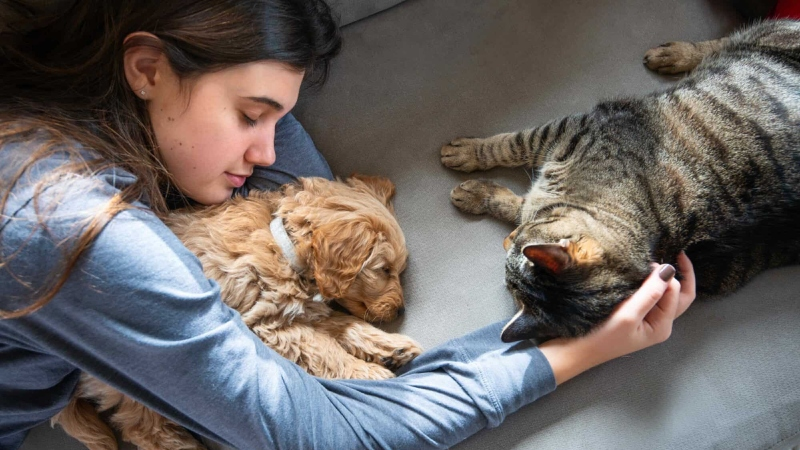
Modern pet owners face new risks in daily life. Busy routines and changing environments can put pets in danger. Small accidents can turn serious without quick action. This is why safety skills and emergency readiness matter more than ever.
Learning the basics can protect both pets and people. It also builds confidence during stressful moments. Explore the key skills below to strengthen safety skills and emergency readiness in any situation.
Recognizing Early Signs of Distress in Pets
Pets often show subtle signs before a problem gets worse. Changes in breathing can signal trouble right away. Weak movement or sudden stillness should not be ignored. Loss of appetite can also point to a deeper issue.
Unusual sounds like whining or coughing need attention. Checking gums and eyes can give quick clues about pet health. Early action can prevent bigger emergencies. Paying close attention helps keep pets safe every day.
Basic First Aid for Common Pet Injuries
Cuts and scrapes are common and need simple care. Cleaning the wound helps prevent infection. Applying gentle pressure can stop bleeding. Burns should be cooled with clean water right away.
Minor injuries still need close monitoring after care. Knowing what to do saves time in urgent moments. Keep basic supplies ready at home and on trips. Quick response can make a big difference in recovery.
Performing CPR and Rescue Breathing for Pets
Cardiac emergencies require fast and calm action. Knowing how to check for a heartbeat is important. Chest compressions must be steady and controlled. Rescue breathing supports oxygen flow to the body.
Timing and rhythm should stay consistent. Training builds confidence during high pressure moments. Many pet owners learn these skills through trusted programs like MyCPR NOW. Proper knowledge can help save a pet’s life.
Preparing a Pet Emergency Kit at Home and On the Go
A well stocked kit supports fast response during emergencies. Include bandages, antiseptic wipes, and gloves. Add a digital thermometer for quick checks. Keep a list of emergency contacts inside the kit. Food and water supplies are also important for travel.
Medications should be stored safely and labeled clearly. Check the kit often to replace used or expired items. Being prepared reduces stress during unexpected events.
Creating a Safe Environment Inside and Outside the Home
Hazards can be found in both indoor and outdoor spaces. Keep harmful items out of reach at all times. Secure fences and gates to prevent escape. Remove small objects that pets may swallow.
Store cleaning products in locked cabinets. Watch for toxic plants in the yard or home. Safe spaces help reduce the risk of accidents. Prevention is always better than emergency response.
Building a Routine for Ongoing Safety Training
Regular practice helps skills stay fresh and effective. Short sessions can improve response time in real situations. Include all family members in basic training. Review emergency steps often to avoid confusion.
Stay updated on new safety tips and methods. Practice calm behavior during drills. Consistency builds strong habits over time. A trained household can act quickly when it matters most.
Modern Pet Owners Must Learn About Emergency Readiness
Safety skills are a key part of responsible pet ownership. Emergencies can happen without warning. Being prepared helps protect pets from serious harm. Simple actions can prevent long-term problems.
Regular training builds confidence and awareness. A safe environment supports better daily care. Strong safety skills and emergency readiness help ensure pets stay healthy and protected. Should you wish to explore more topics, visit our blog page. We’ve got more!
For more information or suggestions, please contact us.