

GTA Online’s Mansion Raid adversary mode is a unique addition to PvP gameplay. Here, you’re defending a fortified position against coordinated attackers trying to crack your vault. You could be running a stock account or exploring gta 5 modded account with maxed stats. Understanding defensive fundamentals separates winning teams from those watching their vault get emptied. This guide breaks down exactly how to hold the line.
Understanding the Mode Structure
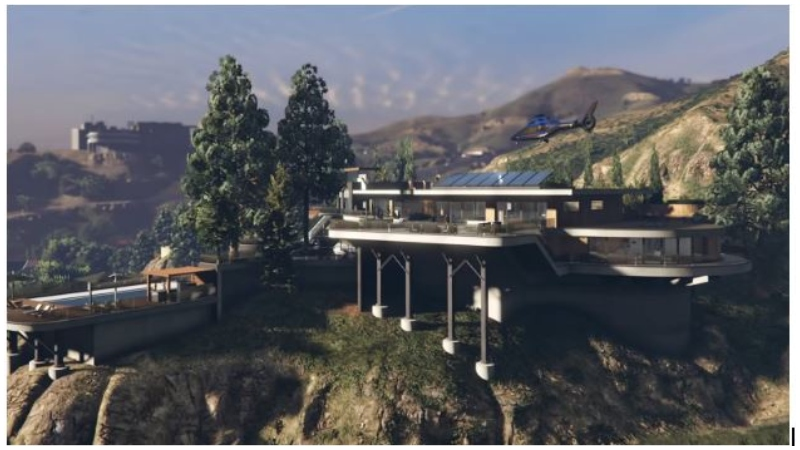
Mansion Raid splits players into attackers and defenders across multiple rounds. Defenders spawn inside a luxury property with a vault containing cash. On one hand, Attackers have to,
- Breach the mansion,
- Navigate its interior,
- Hack the vault, and
- Extract the money before the time expires.
Your job as a defender sounds simple: stop them. The execution gets complicated fast.
Each round lasts roughly 10 minutes. This gives attackers limited time to accomplish their objective. This timer becomes your greatest ally if you understand how to exploit it. Every second you force attackers to waste repositioning or respawning brings you closer to victory.
Best Defensive Positions
Map knowledge wins games. The mansion features multiple entry points, interior chokepoints, and sightlines that favor prepared defenders. Here’s where you need bodies:
Main Entrance: You should station your most aggressive player here. This position gets hit first and hardest. Therefore, this requires someone comfortable with sustained firefights. The wide staircase also creates natural cover opportunities.
Side Entrances and Windows: Attackers love flanking through less obvious entry points. You should assign at least one player to rotate between these spots, calling out breaches before they become catastrophic. Many players find roaming defense more engaging than static positions.
Vault Proximity: Try to keep one defender near the vault itself as the last line of defense. This player will be able to catch anyone who slips through your perimeter. The close quarters favor shotguns and SMGs.
Overwatch Positions: Upper floor windows and balconies provide great sightlines to approaching attackers. A skilled marksman here can suppress enemy advances while teammates reposition.
Optimal Loadouts and Equipment
Your weapon choices directly impact defensive effectiveness. Here’s what actually works:
| Role | Primary Weapon | Secondary | Throwables | Armor |
| Entry Defense | Combat MG / Assault Rifle | AP Pistol | Proximity Mines | Super Heavy |
| Roamer | Carbine Rifle | Sawed-Off Shotgun | Sticky Bombs | Heavy |
| Vault Guardian | Assault Shotgun | Heavy Revolver | Grenades | Super Heavy |
| Overwatch | Heavy Sniper | Combat PDW | Tear Gas | Heavy |
Combat MG’s sustained fire rate excels at suppressing entry points. Attackers struggle to push through continuous bullet streams, buying your team precious seconds. Assault rifles offer better accuracy for mid-range engagements when attackers spread out.
Proximity mines near lesser-used entrances create early warning systems. Even if they don’t kill, the explosion alerts your team to flanking attempts. That information alone justifies the equipment slot.
Communication and Callouts

Solo queue defenders get shredded. Coordinated teams with voice communication dominate this mode because defensive success requires constant information sharing.
Establish clear callout names for locations before the round starts. “They’re pushing!” means nothing compared to “Three attackers main stairs, one flanking east window.” Specific information lets teammates make informed decisions about when to rotate or hold position.
Call out eliminated attackers. Knowing the enemy team is down two players changes how aggressively you can push or whether you should consolidate around the vault. Many players underestimate how much this intel matters.
Timing Your Aggression
Here’s the thing: passive defense loses games. Attackers who freely control the mansion exterior will eventually find openings. You need to apply pressure at the right moments.
Early round aggression disrupts attacker coordination. Push out when they’re still organizing their assault, forcing them to fight on your terms rather than executing their planned strategy. Just don’t overcommit and give them easy eliminations.
Mid-round, tighten your perimeter. Attackers who survived your initial pressure will be probing for weaknesses. Fall back to strong defensive positions and make them pay for every inch.
Late-round defense requires reading the situation. If attackers haven’t reached the vault with two minutes remaining, maintain your positions and let the timer work for you.
Common Mistakes to Avoid
Bunching Up: Clustered defenders die to a single well-placed explosive. Therefore, you should spread out to force attackers into multiple engagements.
Abandoning Positions: Attackers use distraction tactics to pull defenders away from critical zones. Try trusting your teammates to handle their sectors.
Poor Equipment Management: Running out of armor or special ammunition mid-round cripples your effectiveness. Grab supplies during lulls in combat, not when attackers are actively pushing.
Ignoring the Vault: try prioritising protecting the objective over kills. Defenders who chase eliminations while attackers hack the vault will lose.
Advanced Defensive Tactics
Try mastering these basics:
Layered Defense: Instead of holding a single line, you should create multiple fallback positions. When attackers breach the first layer, retreat to the second while they’re disorganized.
Baiting and Counter-Pushing: You can deliberately show weakness at one entry point, then collapse on attackers who take the bait. Keep in mind, this will require good coordination.
Equipment Cycling: Rotate who uses proximity mines and sticky bombs each round.
Adapting to Attacker Strategies
Smart attacking teams adjust their approach based on your defense. You need to recognize and counter their adaptations.
Attackers rushing multiple entry points simultaneously? Tighten around the vault and make them come to you in enclosed spaces where their numbers advantage shrinks.
Attackers playing slow and methodical? Push out and force them to react before they’re ready. Disrupting their setup phase prevents coordinated assaults.
If you have any questions or would like the latest updates, don’t hesitate to contact us.